 Kang Haggerty News


Kang Haggerty LLC has once again received national recognition for its Construction Law practice in the U.S. News – Best Lawyers® “Best Law Firms” 2022. The firm appeared in the national rankings for both Construction Law and Litigation – Construction. The practice is led by Henry Donner.
In addition, the firm was recognized for excellence in the Philadelphia Metropolitan listings as a Tier 1 law firm in Litigation – Construction for the region. Construction Law, Employee Benefits (ERISA) Law, and Commercial Litigation all were recognized as well. Kang Haggerty’s reputation as a go-to business litigation boutique continues to grow each year.
Firms included in the 12th Edition of U.S. News – Best Lawyers “Best Law Firms” are recognized for professional excellence with consistently impressive ratings from clients and peers. To be eligible for a ranking, a firm must first have a lawyer recognized in The Best Lawyers in America©, which recognizes 5% of lawyers practicing in the United States. Achieving a tiered ranking signals a unique combination of quality law practice and breadth of legal expertise.


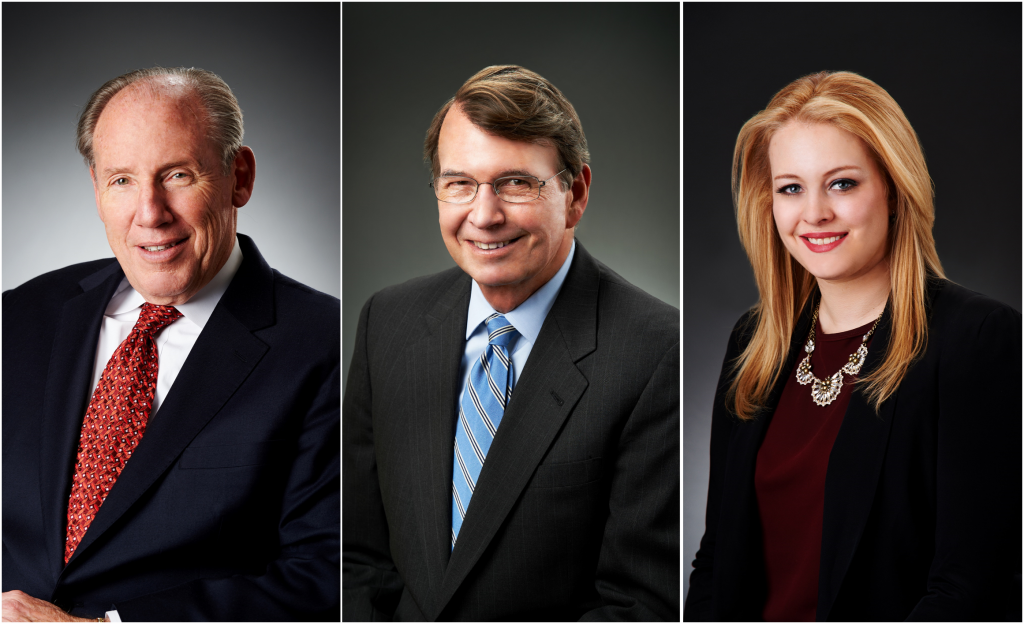 Kang Haggerty LLC is pleased to announce that three of the firm’s attorneys have been selected for inclusion in The Best Lawyers in America© 2022. Congratulations to Henry J. Donner, Gregory H. Mathews and Kandis L. Kovalsky.
 In the July 22, 2021 edition of
 In the July 8, 2021 edition of
  In the June 24, 2021 edition of